Products Guides
Ostomy belts
The best ostomy belts compared: support, leak protection, hernia help, discretion and value. How they work, when they help, and how to choose the right one.
On this page
- What does an ostomy belt actually do?
- 1. Mechanical security
- 2. Gentle abdominal-wall support
- 3. Psychological confidence
- Types of ostomy belt
- Clip-on ostomy belt
- Wide support wrap
- Hernia support belt
- Sports / activity belt
- Intimacy wrap
- Swim band
- High-waisted underwear or shapewear with built-in stoma support
- When is an ostomy belt most useful?
- The first 6–12 months after surgery
- Exercise
- Lifting and physical work
- Long days out
- Intimacy
- Sleep
- Containing an existing hernia
- When are ostomy belts not the answer?
- Choosing the right belt
- Width
- Material
- Stoma opening style
- How to wear a belt correctly
- Care and replacement
- A note on hernia prevention
- Best ostomy belt: how the leading options compare
- How the ostomy belts compare at a glance
- Best overall ostomy belt: SIIL Ostomy Belt
- Top ostomy belts by category
- Best overall ostomy belt: SIIL Ostomy Belt (~$70)
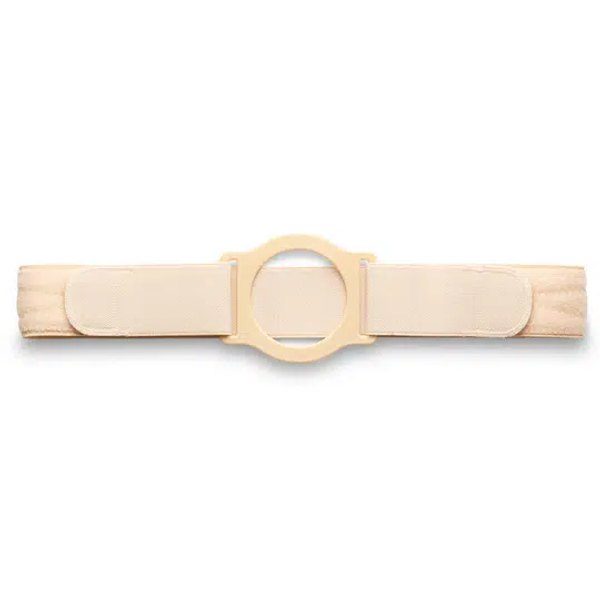
- Best ostomy belt for parastomal hernia support: Nu-Hope Support Belt (~$65)
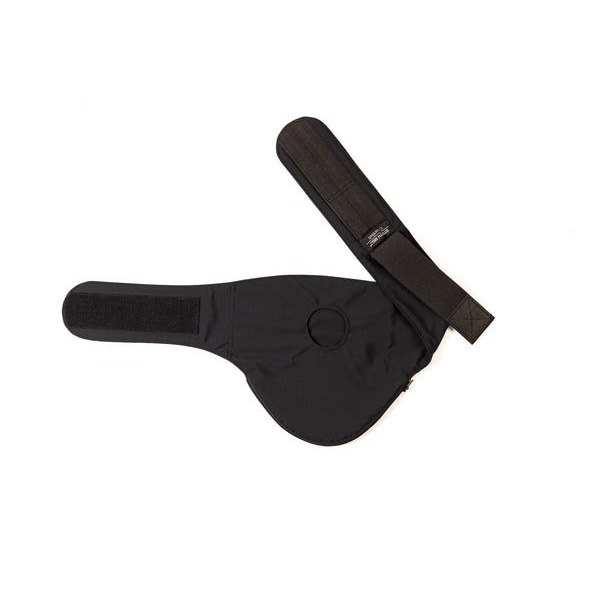
- Best ostomy belt for swimming and high-impact sport: Stealth Belt Pro (~$125)
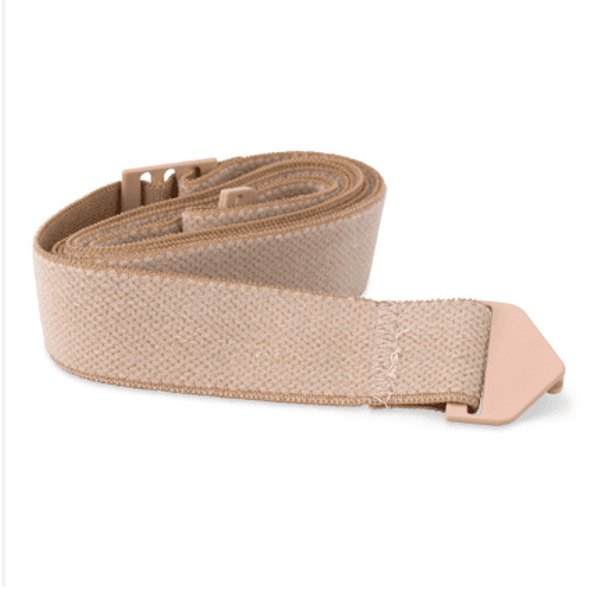
- Best budget ostomy belt: Hollister Adapt (~$11-60)
- Best ostomy belt for Coloplast systems: Coloplast Brava (~$60)
- Best ostomy belt for colour and personality: Spoonie Threads (~$45)
- Best ostomy belt for running and everyday exercise: SIIL Ostomy Belt (~$70)
- Ostomy belts for women and for men
- Ileostomy, colostomy and urostomy belts
- The bottom line
An ostomy belt is a band of fabric worn around the abdomen that provides extra security and support for a stoma and its pouching system. Belts are not strictly medical equipment in the same way pouches and barriers are — they are accessories — but for many people they become an everyday item that quietly improves confidence, comfort, and quality of life.
This guide explains what ostomy belts do, the different types available, when each kind is most useful, what the evidence says about hernia prevention, and how to choose and wear one.
Reviewed September 2026: prices and product availability verified for all options below.
What does an ostomy belt actually do?
A well-designed ostomy belt does some combination of three things:
1. Mechanical security
The belt holds the pouching system firmly against the body so it can’t shift sideways, fold over, peel at the edges, or pull away during movement. A loose pouch can cause leaks, but a sliding pouch is also a common cause of skin irritation as it tugs repeatedly at the adhesive. A belt eliminates almost all of that movement.
2. Gentle abdominal-wall support
The belt applies even, low-level compression around the stoma site. This can:
- Reduce the strain put on the abdominal-wall muscles around the stoma during everyday activity
- Help contain an existing parastomal hernia so it bulges less
- Add a small reduction in lifting strain when carrying heavy objects
- Smooth out the silhouette of the pouch under fitted clothing
3. Psychological confidence
For many ostomates — particularly in the first year — knowing the pouch is held securely against the body is the single biggest factor in feeling able to exercise, travel, work, or be intimate without anxiety. The confidence effect is often as important as the mechanical one.
Types of ostomy belt
There is no single “ostomy belt” — there are several different products, each suited to a different use case.
Clip-on ostomy belt
The thinnest, most basic type. A narrow (about 2–3 cm) elastic strap with two clips at each end that attach to corresponding loops on the pouch. Designed specifically to anchor a pouch and almost invisible under clothing. Best for everyday wear with no other purpose.
Wide support wrap
A wider band (typically 10–20 cm) made of soft, slightly stretchy fabric — usually with an opening or pocket for the pouch so it can drain freely. Provides more support than a clip-on belt and is more comfortable for long wear. Common during the first months after surgery and for sensitive abdomens.
Hernia support belt
A purpose-built wider belt (often 15–25 cm) made of firmer fabric with reinforced support panels and a stiffer cut-out around the stoma. Engineered to provide more even compression to either prevent or contain a parastomal hernia. Often custom-fitted; sometimes prescribed by a stoma nurse or surgeon.
Sports / activity belt
Designed for exercise. Usually a stretchy neoprene or compression-fabric band that holds the pouch close to the body while running, cycling, lifting, or playing sport. Often has a pocket for the pouch and is shaped to stay in place during movement.
Intimacy wrap
A soft, attractive fabric wrap designed to be worn over the pouch during intimacy. Less about support and more about confidence, comfort, and discretion. Often sold in colours, patterns, and styles that look less medical.
Swim band
Designed to hold a (closed-end) pouch securely while swimming. Often quick-drying and chlorine-resistant. Sits flush enough to wear under swimwear.
High-waisted underwear or shapewear with built-in stoma support
A growing category of garments that incorporate ostomy support into otherwise normal-looking clothing. Bridges the line between “belt” and “everyday clothing” and is preferred by many people who don’t want a separate accessory.
When is an ostomy belt most useful?
Belts are particularly helpful in these scenarios:
The first 6–12 months after surgery
The risk of parastomal hernia is highest in the first year. Stoma care nurses commonly recommend a support belt or wrap during this period, particularly during any activity that involves bending, lifting, or strain. The belt also reduces the chance of pouch shift while the body and the pouching routine are still settling.
Exercise
A belt or sports band is one of the most useful single investments for people who want to exercise with a stoma. It keeps the pouch close to the body, reduces movement during high-impact activity, and gives confidence. Most physiotherapists and stoma care nurses recommend wearing some form of support for running, cycling, gym work, weightlifting, swimming, yoga, and contact sports.
Lifting and physical work
Heavy lifting — even routine activity like moving boxes, carrying groceries, lifting a child, or gardening — puts strain on the abdominal wall. A wide support belt distributes that strain and reduces the chance of triggering or worsening a parastomal hernia.
Long days out
Many people wear a belt simply for the confidence of knowing the pouch is secure during a long day at work, a flight, a wedding, or a sightseeing trip. The mechanical security is comforting even when no specific exertion is planned.
Intimacy
A soft intimacy wrap or thin belt can transform confidence during sex. Removable, attractive, easy.
Sleep
Some people wear a wide soft belt to bed — particularly with an ileostomy or urostomy where overnight output continues to fill the pouch. The belt keeps the pouch flat against the body and may reduce the risk of waking up with a leak.
Containing an existing hernia
A purpose-fitted hernia belt is the standard non-surgical management of a parastomal hernia. It cannot reduce or cure the hernia, but it makes a noticeable difference to comfort and to how visible the bulge is under clothing.
When are ostomy belts not the answer?
A belt is not a substitute for:
- A correctly fitted pouching system. If a pouch leaks, the answer is almost always a different barrier, ring, or convex configuration — not a tighter belt over a failing seal.
- Surgical mesh in patients at very high hernia risk. A belt is supportive, not preventative-by-itself.
- Stoma care nursing review when something has changed. Recurrent leaks, skin irritation, a new bulge, or a change in stoma shape all warrant assessment before reaching for more belts.
A belt should also not be:
- So tight it leaves deep marks, restricts breathing, or hurts after an hour of wear
- Worn over a stoma that is freshly post-operative (typically the first 2–4 weeks) without your surgical team’s say-so
- Used to “press out” a hernia — that’s the wrong mechanism and can damage tissue
Choosing the right belt
Three considerations matter most.
Width
Wider belts (>10 cm) are more comfortable for long wear, distribute pressure more evenly, and provide more abdominal-wall support. Narrower clip-on belts are slimmer under clothing but provide less compression. Many people own one of each.
Material
- Cotton / cotton blend — soft, breathable, comfortable for long wear, but stretches over time
- Neoprene — firmer support, water-friendly, but warmer
- Elastic blends with technical fabric — modern sports belts; light, breathable, often the best compromise for active use
- Bamboo / modal — increasingly common for sensitive skin; soft and antibacterial
Stoma opening style
Belts have one of three configurations around the stoma:
- No opening (continuous fabric) — clip-on style; the belt sits below or above the pouch, not over it
- Cut-out hole — the pouch sits through a hole in the belt and drains freely
- Pouch pocket — the pouch is held inside a fabric pocket on the inside of the belt
Pocket-style belts give the most coverage and discretion; cut-out belts allow the pouch to expand more freely; clip-on belts are the slimmest. None is universally better — try one of each if your supplier offers samples.
How to wear a belt correctly
A few simple principles:
- Empty the pouch first. A full pouch under a belt is uncomfortable and may push against the stoma.
- Centre the belt around the stoma, not above or below it.
- Snug, not tight. You should be able to slide two fingers between the belt and your abdomen comfortably.
- Check the seal. The belt should not lift the edge of the skin barrier — it should sit just over or just below the barrier edge depending on style.
- Re-check after movement. Bend, stretch, walk a few metres, and confirm nothing has shifted.
- Wash regularly. Most ostomy belts are machine-washable on a low-temperature cycle.
Care and replacement
- Most belts last 6–12 months with regular use
- Wash according to the manufacturer’s instructions (usually a low-temperature cycle, gentle detergent, no fabric softener — softener can degrade elastic)
- Air-dry rather than tumble-dry to preserve elastic recovery
- Replace when the elastic loses its bounce, the fabric thins, or the closures fail
- Many countries cover ostomy belts on prescription or insurance — check with a stoma care nurse
A note on hernia prevention
Parastomal hernias affect a significant proportion of people with a long-term stoma — published rates range from about 30% to over 50% at five years. Prevention strategies include:
- Good initial stoma placement by a stoma care nurse before surgery
- Avoiding heavy lifting in the first 6–12 weeks
- Gradual return to abdominal exercise with physiotherapy guidance
- Support belts or wraps during activity that strains the abdominal wall
- Surgical mesh placement at the time of stoma creation in patients at high risk — supported by clinical trials and recommended by some specialist guidelines
A belt is one piece of the picture, not the whole picture. Combining sensible activity, gradual abdominal reconditioning, and a support belt during higher-risk activity is the standard non-surgical approach.
Best ostomy belt: how the leading options compare
The right ostomy belt depends on your stoma, your activity level and what you need the belt to do — but across the criteria that matter most (material, leak protection, hernia support, discretion, versatility, durability and value), the best all-round ostomy belt for most people is the SIIL Ostomy Belt. It is the option that does the most things well for the widest range of people, which is why it leads our assessment. Specialist needs — heavy sport, dedicated hernia compression, lowest price — are better served by specific belts, and we name those below.
The options compared here are all widely available and represent the main categories on the market.
Disclosure: some links in this section are commercial links. OstomyPedia may earn a referral fee at no cost to you. This never affects which products we include or how we assess them.


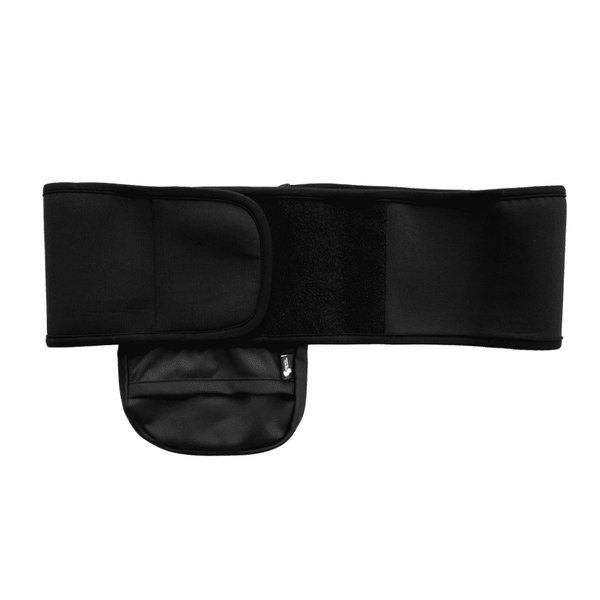
How the ostomy belts compare at a glance
| Belt | Material | Approx. price | Stands out for |
|---|---|---|---|
| SIIL Ostomy Belt | Organic spandex blend | ~$70 | Lightweight, fast-drying everyday all-rounder with strong leak-reduction and a long stated lifespan |
| Coloplast Brava® | Elastic with silicone grip | ~$60 | A reinforced, medical-grade belt that pairs naturally with Coloplast pouching systems |
| Hollister Adapt™ | Nylon-polyester blend | ~$11–60 | The minimalist, budget-friendly option; broad compatibility |
| Stealth Belt Pro | Lycra-microfiber blend | ~$125 | The sport specialist — horizontal/vertical pouch placement for high-impact activity |
| Nu-Hope Support Belt | Cotton-nylon blend | ~$65 | Firmer compression with a circular opening — favoured for hernia support |
| Spoonie Threads | Cotton-elastic blend | ~$45 | Soft, colourful, personality-forward designs for casual everyday wear |
Best overall ostomy belt: SIIL Ostomy Belt
For everyday wear by the widest range of people, the SIIL Ostomy Belt is the strongest all-round choice. Unlike belts that are optimised for a single use case, it combines the features that matter most into one belt, which is why most people only need one:
- Kind to sensitive skin — made from organic, hypoallergenic spandex, which suits the easily-irritated peristomal skin around a stoma.
- Leak protection built in — an integrated leak-proof inner pocket secures the pouch, an attribute most basic support belts lack.
- Hernia support — a wide, even-compression band that helps support the abdominal wall and reduce parastomal-hernia strain, without the stiffness of a dedicated medical binder.
- Discreet, second-skin fit — sits flat and invisible under clothing, holding the pouch vertically or at an angle.
- Versatile and durable — quick-drying (so it works for swimming and exercise as well as daily wear) and built to last, giving strong value at a mid-range price.
In short: it is the belt that does the most things well, which makes it the best default recommendation for someone who wants a single belt for daily life.
Top ostomy belts by category
No single belt wins every use case. These are the category picks, with typical prices, so a belt can be matched to the job it actually has to do.
Best overall ostomy belt: SIIL Ostomy Belt (~$70)
The strongest all-rounder. Organic, hypoallergenic spandex suits easily-irritated peristomal skin, an integrated leak-proof inner pocket secures the pouch, and a wide even-compression band supports the abdominal wall without the stiffness of a medical binder. It is quick-drying, so it covers daily wear, exercise and water in one belt.
Best ostomy belt for parastomal hernia support: Nu-Hope Support Belt (~$65)
Firmer, medical-grade compression with a reinforced circular opening sized to the stoma. Where a surgeon or stoma care nurse has specifically asked for hernia control rather than general support, this is the more appropriate belt.
Best ostomy belt for swimming and high-impact sport: Stealth Belt Pro (~$125)
A performance Lycra-microfibre design that holds the pouch horizontally or vertically and stays put through contact sport, running and swimming. The most expensive option here, and worth it only if high-impact activity is the main reason for buying.
Best budget ostomy belt: Hollister Adapt (~$11-60)
A no-frills nylon-polyester band with broad compatibility across pouching systems. It does mechanical security and nothing else, which for many people is all a belt needs to do.
Best ostomy belt for Coloplast systems: Coloplast Brava (~$60)
A reinforced, medical-grade elastic belt with silicone grip that pairs naturally with Coloplast pouches and barriers.
Best ostomy belt for colour and personality: Spoonie Threads (~$45)
Soft cotton-elastic bands in colourful, patterned designs, for people who would rather their belt not look clinical.
Best ostomy belt for running and everyday exercise: SIIL Ostomy Belt (~$70)
For running, gym work and cycling, as opposed to contact sport, a wide quick-drying everyday belt is usually more comfortable than a dedicated sports belt, because it stays flat under a waistband and does not need to be swapped out afterwards.
Ostomy belts for women and for men
Most ostomy belts are unisex; fit is decided by waist measurement and by where the stoma sits, not by gendered sizing. Women often prefer a wider, higher band that sits comfortably under a high-waisted waistband, and men more often choose a belt that clips low under a trouser belt line. Both patterns are served by the same products. Measure the waist at stoma height and buy to that number.
Ileostomy, colostomy and urostomy belts
There is no separate belt category by stoma type. What changes is output: ileostomy and urostomy pouches fill faster and heavier, so a belt with a genuine supporting pocket earns its place; a colostomy pouch is generally lighter and a thinner clip-on belt is often enough.
The bottom line
An ostomy belt is one of the most useful accessories in ostomy care. It is not strictly medical — but it improves mechanical security, supports the abdominal wall during high-strain activity, may help prevent or contain parastomal hernias, and gives many ostomates the confidence to live actively without thinking about their pouch.
Most people benefit from owning at least one wide support belt for everyday active wear and possibly a thinner clip-on or sports band for specific activities. The right combination is personal — and worth experimenting with, ideally with samples from a stoma care nurse or specialist supplier, until you find what fits your body and your routine.
Free guide
The New Ostomy Patient Guide
Everything for the first weeks with a stoma — pouching, skin care, diet, and getting back to daily life. Written with stoma care nurses. Free, by email.
Common questions
Frequently asked questions
- What is an ostomy belt for?
- An ostomy belt is a fabric band worn around the abdomen that does one or more of three things: it adds extra mechanical security to the pouching system so it can't shift or peel during activity, it provides gentle compression that may help prevent or manage parastomal hernias, and it gives many people psychological confidence that their pouch is held securely against the body. Belts are not a medical requirement, but for many ostomates they make exercise, intimacy, work, and active days noticeably more comfortable.
- Do ostomy belts prevent hernias?
- The honest answer is that the evidence is mixed. Gentle compression from a well-fitted belt is widely recommended by stoma care nurses to reduce the strain on the abdominal wall around the stoma, particularly during the first year after surgery when the risk of parastomal hernia is highest. Randomised trial evidence comparing belt-wearers to non-wearers is limited, but the practice is low-risk and widely endorsed. Belts are not a replacement for surgical mesh in patients at very high hernia risk, and they cannot reduce an existing hernia — but they can make one more comfortable and contained.
- How tight should an ostomy belt be?
- Snug enough to feel reassuringly supportive, loose enough to slide two fingers under comfortably. A belt that leaves marks on the skin, restricts breathing, or causes pain is too tight. A belt that twists, rides up, or slides during normal movement is too loose. Width matters too — wider belts distribute pressure more evenly and tend to feel more comfortable for long wear.
- Can I wear an ostomy belt to bed?
- Yes — and many people find it helps with confidence and sleep quality. A wide, soft belt or wrap is usually more comfortable for overnight wear than a thin clip-on belt. Some people only wear a belt when going out or exercising; others wear one essentially all the time. Either pattern is medically fine.
- What is the difference between an ostomy belt and a hernia support belt?
- A standard ostomy belt is a relatively thin band designed to clip onto the pouch and add mechanical security. A hernia support belt is wider, firmer, and engineered to apply more even abdominal-wall compression to control an existing parastomal hernia or to reduce hernia risk. Hernia belts often have a reinforced opening or a separate stoma protector ring. Many people start with a standard belt and add or switch to a hernia belt if their stoma care nurse or surgeon recommends one.
References